


What are formal
long-term refugee settlements

CAMPS studies all humanitarian-planned refugee settlements established for more than five years that accommodate at least 3,000 individuals and in which UNHCR is involved. 

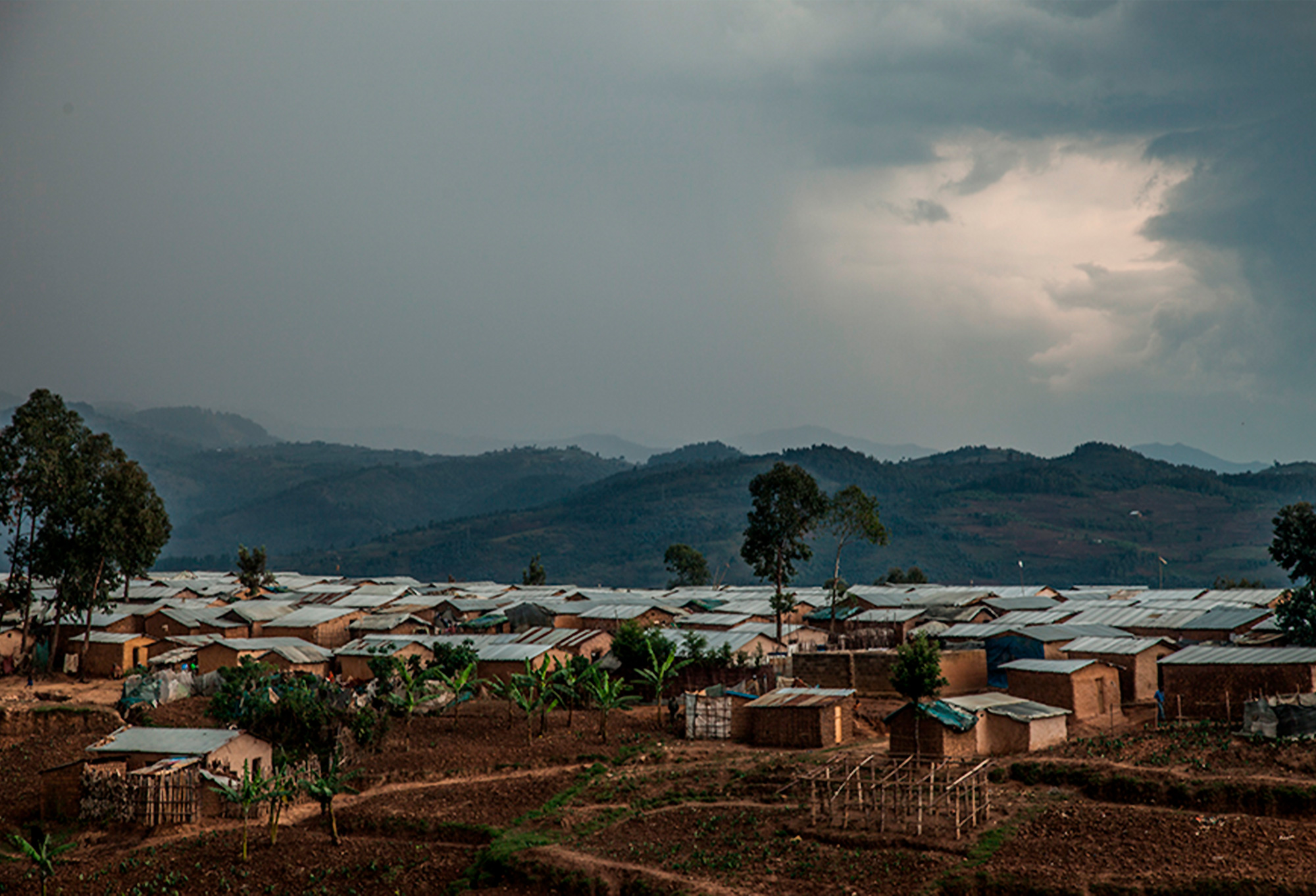
Originally intended as short-term emergency measures, they frequently endure for decades, transforming into intricate settlements that support millions of people worldwide. They exhibit significant diversity across spatial, social, climatic, and political dimensions, yet the majority of these settlements continue to be unevenly studies and remain under-resourced.

Why focus on formal
long-term refugee settlements

In early 2026, more than 300 long-term refugee camps existed across 30 countries, hosting approximately seven million people in total. The majority of these settlements are understudied and underfunded. From an urban and architectural standpoint, it is not only institutions but also the people in and around them who build and rehabilitate their built environments. 

Most long-term refugee settlements lack high-quality spatial data and longer-term planning frameworks that could support more sustainable practices, improve inhabitants’ well-being, and better account for ecosystem impacts and resilience to climate hazards, as many of their management practices rely on scarce information.

Research methods

CAMPS integrates desk-based research with fieldwork across selected case studies to develop a rigorous methodology for spatial research, participatory methods, and interdisciplinary collaboration.

CAMPS combines

Analysing satellite and aerial imagery to map and monitor refugee settlements over time.

Remote sensing

Integrating and analysing spatial data to understand settlement patterns, infrastructure and environmental context.

GIS

Producing comparative maps that reveal the physical, social and environmental characteristics of settlements.

Spatial mapping

Examining historical records, policies and academic literature to contextualise settlement development.

Archival research and literature review

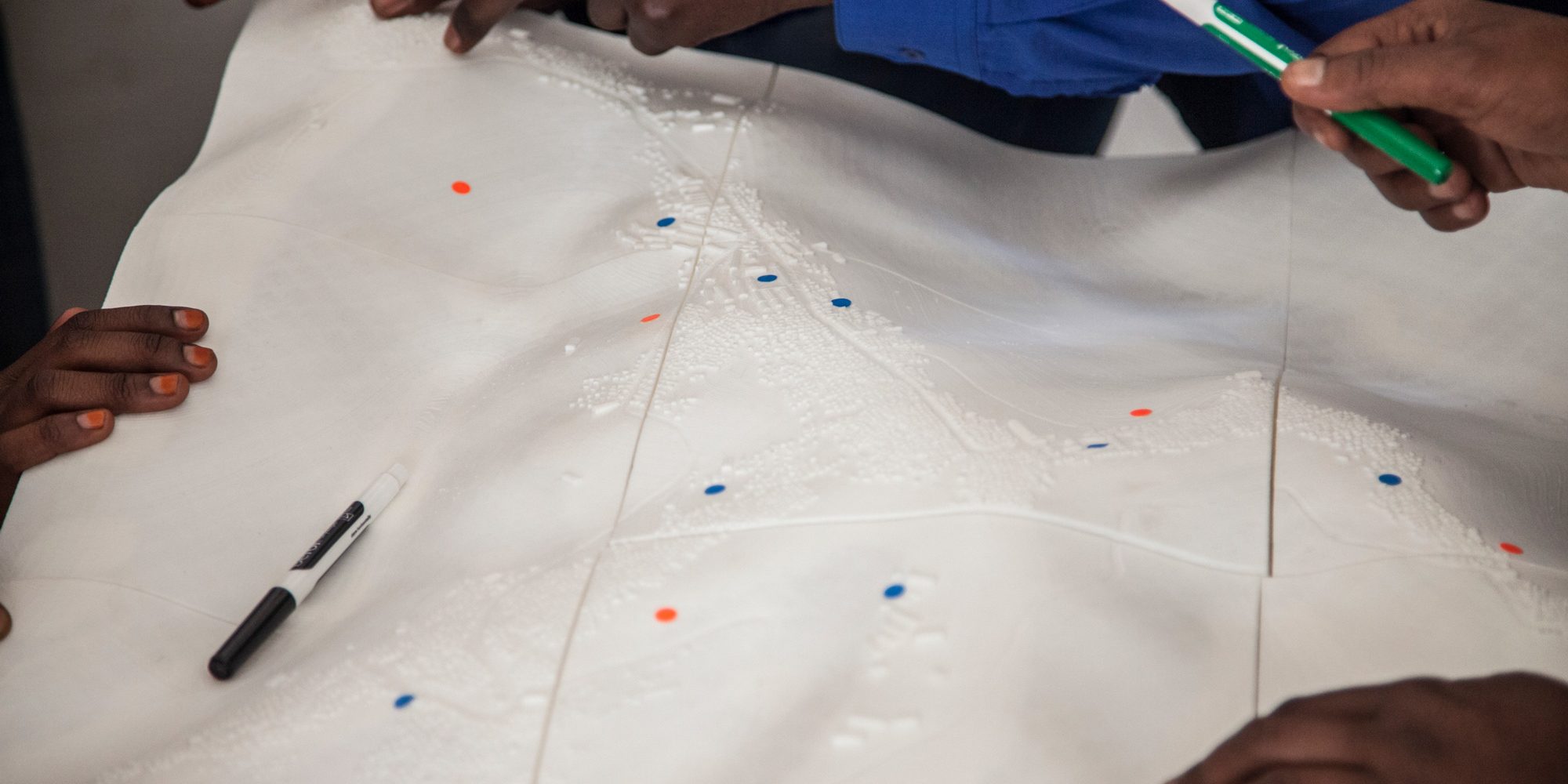
Working with communities to co-produce spatial knowledge through mapping, drawing and design methods.

Participatory
design-based

Understanding everyday life through observation, interviews and engagement with residents and stakeholders.

Ethnographic fieldwork

Comparing refugee settlements across countries and contexts to identify common patterns and differences.

Comparative case studies

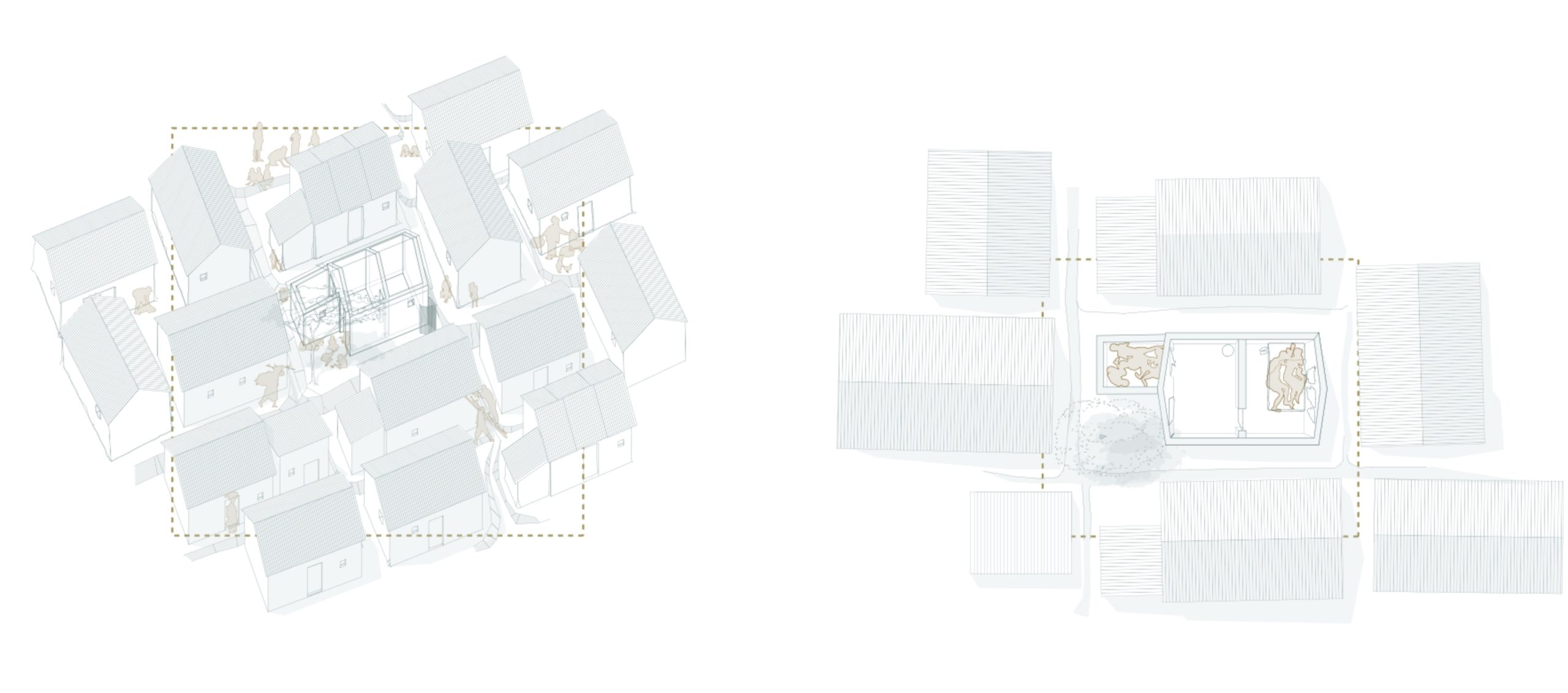
Linking insights across scales—from the dwelling to the camp, region and global refugee system.

Multi-scalar socio-spatial analysis

Our work combines advanced spatial technologies with field-based engagement, through ethnographic and spatial inquiry, to understand how settlement design, everyday spatial practices, and governance structures shape social life, sustainability, and ecosystemic resilience to climate hazards. 

The project has a strong commitment to scientific rigour, ethical research, and collaboration with affected communities. CAMPS seeks to contribute to more resilient and climate-responsive futures in under-resourced humanitarian settlements, publishing open access and adhering to all European and local guidance on ethical research.

Research
Objectives

To advance forced displacement research, mapping and analysing the socio-spatial features of formal long-term refugee settlements highlighting the perspectives of the actors involved in their evolution to:

1) Create a detailed and up-to-date spatial catalogue of long-term refugee settlements.


2) understand how the spatial features influence resilience and sustainability.

3) Include the perspective of settlement inhabitants and surrounding populations.

4) Spur new research in refugee studies, urban studies and human geography and influence evidence-based policies.